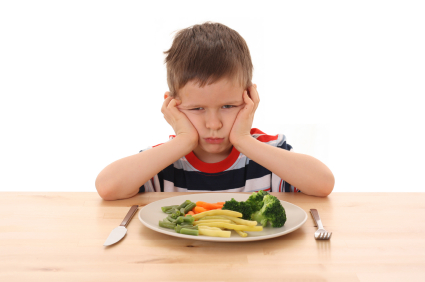
We’ve all been there! You’ve spent hours perfecting Annabel Karmel’s finest recipe only to have it thrown on the floor in the most animated display of toddler disgust. Many children go through stages of being fussy with foods. Fussy eating however isn’t always about a like or dislike of certain foods, but more often about children wanting to be independent. They learn from an early age that “food battles” are an easy way to gain some control over mommy or daddy.
It’s natural for parents to worry about whether their child is getting enough food, however it’s best not to worry about what your child eats in a day, it’s more important to think about what they eat over a week. As long as your child is well, active and gaining weight, then they’re likely to be getting enough to eat, even if it may not seem like it to you.
Aim to give your child some food from the 5 food groups, starting with the regular favourites, and gradually introducing other foods from each group
- Milk and dairy products
- Starchy foods
- Fruit and vegetables
- Protein
- Fats and oils
Some handy tips:
- Children learn by copying you, their siblings, their grandparents and friends. Try to eat with them as often as possible so that you can set a good example.
- Offer the same foods as the rest of the family – don’t prepare separate meals.
- Try new foods to taste alongside familiar foods. Encourage them to take a bite or even a lick of the new food and offer praise.
- Give small portions and praise your child for eating, even if they only manage a little. Large portions can be overwhelming.
- If your child rejects a food, don’t force them to eat it. Take away the food without comment. Don’t keep offering alternatives. Try to stay calm even if it’s very frustrating.
- Don’t leave meals until your child is too tired to eat.
- Set time limits for meals (20-30 minutes) and explain that once mealtime is over there’ll be no other food available. When the mealtime is over, take the plate away then remind your child that there won’t be any more food until the next meal or snack time.
- Don’t give too many snacks between meals. Limit them to a milk drink and some fruit slices or a small cracker with a slice of cheese, for example.
- It’s best not to use food as a reward. Your child may start to think of sweets as nice and vegetables as nasty.
- Make mealtimes enjoyable and not just about eating. Sit down and chat about other things. Remove distractions such as TV or toys.
- Children’s tastes change. One day they’ll hate something, but a month later they may love it. Don’t assume they will dislike a food and regularly offer foods previously rejected.
- Be positive about new foods! Tell them that they will like it, don’t say “you’ll never eat this” or “you won’t like……”
- As anxious as you may feel about their fussiness, don’t let them become aware of these feelings. Don’t shout, nag or fuss a child to eat as this may encourage fussy eating habits (children love a response!!).
- Encourage their need for independence by encouraging self-feeding, encouraging them to help shop for and prepare foods.
- Allow them to have a choice (within reason) as giving in to a few preferences will help them feel more in control and may reduce the overall battle.
- Try disguise healthier foods in sauces or desserts, e.g. pureed vegetables into pasta sauce or pureed fruit into yogurts or ice-cream
- Consider giving a multivitamin & mineral supplement during fussier phases.